
Things to Do in Lahore in September
September weather, activities, events & insider tips
Low Season · Budget Friendly
September Weather in Lahore
Long-run averages for September
93°F (34°C)
High Temp
77°F (25°C)
Low Temp
3.5 inches (89 mm)
Rainfall
73%
Humidity
6
Rainy Days
7
Sunny-Day UV
⚠ Dengue fever risk peaks in September and early October following the monsoon breeding season. Lahore's health authorities typically issue elevated alerts during this period, and hospitals see increased dengue caseloads. DEET repellent, long sleeves at dusk, and screened or air-conditioned sleeping quarters are essential, not optional.
⚠ Flash flooding occurs in low-lying sections of the Walled City, around Data Darbar, and near the Ravi River floodplain after heavy downpours. Drainage in older Lahore neighborhoods cannot handle concentrated monsoon volume, and a street that was dry twenty minutes ago can be knee-deep in muddy water after a sustained storm. Avoid walking through floodwater. It carries sewage and debris.
⚠ The heat index regularly exceeds 40°C (104°F) when the air temperature of 34°C (93°F) combines with 70% humidity. Heat exhaustion is a tangible risk for visitors unaccustomed to South Asian summer conditions. Midday hours between 11am and 4pm should be treated as indoor time, not power-through time.
Making the most of September in Lahore? Browse tours and activities in Lahore on GetYourGuide.
Is September Right for You?
Weigh the advantages and considerations before booking
Advantages
- + September marks Lahore at its greenest. The monsoon has passed, leaving the city photogenic and lush. Shalimar Gardens' three Mughal terraces run wild with growth. Century-old banyans in Bagh-e-Jinnah drip with fresh leaves. Lahore Fort's sandstone glows amber against dramatic cloud banks. The rain-washed air clears the dust haze that returns from October through March. Post-storm sunsets over Badshahi Mosque are unmatched. Copper dissolves into violet behind three white domes. These are the year's most photogenic evenings.
- + Tourist numbers hit their annual low. You will likely have Sheesh Mahal's seventeenth-century mirror chambers to yourself. Minutes pass without another visitor. Badshahi Mosque's courtyard feels contemplative and vast. In peak season, dozens of tour groups jostle for photographs here. The architect's original vision survives in September. Wagah Border seating demands ninety minutes of patience. Come December, that stretches to three hours. The Walled City's lanes belong to residents. The whole experience feels less performed.
- + Accommodation rates sit well below the October-through-March high season. Domestic flights into Allama Iqbal International hit their cheapest annual point. Budget-conscious travelers should target this window. The climate demands tolerance. Mid-range hotels in Gulberg or along Mall Road offer rates unthinkable by December. Book now.
- + September catches bhutta season's final days. Roasted-corn vendors line Mall Road and canal banks after 5pm. They work low charcoal braziers. The cobs arrive charred and blistered. Each gets rubbed with lime dipped in rock salt and red chilli powder. The smoky-sour smell drifts across entire blocks. Thandai remains available. Sugarcane juice, pressed on hand-cranked machines, still flows. Falsa sherbet lingers before autumn dries supply. Drink up.
Considerations
- − The heat dominates every outdoor moment. This is not background discomfort. At 34°C (93°F) with 70% humidity, perceived temperature pushes past 40°C (104°F) by midday. The air carries heavy, wet weight. Short walks become serious exertion. Outdoor sightseeing between 11am and 4pm is punishing. Locals retreat behind closed doors and air conditioning. Older city areas lack reliable climate control. Plan accordingly.
- − September brings Lahore's highest dengue risk. Monsoon rains leave standing water in Walled City courtyards, empty lots, and construction sites. The Aedes mosquito breeds aggressively in warm, stagnant puddles. Major outbreaks have hit in recent years. Health authorities elevate alerts through September and October. The risk is manageable with proper precautions. It remains present and real.
- − Roughly ten days bring intense afternoon or evening downpours. They last thirty to ninety minutes. These are walls of water, not gentle showers. Streets in the Walled City and around Data Darbar flood knee-deep within an hour. Colonial-era drainage cannot handle monsoon volume. Storms pass quickly. Skies clear to spectacular effect. They strand you indoors. Afternoon itineraries collapse without warning. Pack patience.
Settled on September? Compare hotel prices in Lahore for your dates on Trip.com.
Best Activities in September
Top things to do during your visit
Walled City Morning Heritage Walk
Thirteen gates frame six centuries of layered architecture. Mughal, Sikh, and British eras overlap here. September mornings, before 10am heat clamps down, are atmospheric. Enter through Delhi Gate. Lanes narrow until motorbikes barely thread through. Smells shift fast. Diesel exhaust yields to cardamom chai yields to sandalwood incense from neighborhood shrines. Carved wooden jharokha balconies crowd overhead. Reach them from both sides. Shahi Hammam, a seventeenth-century royal bathhouse, stays cool. Star-shaped skylights throw geometric patterns across stone floors. Post-monsoon rains have washed old brick and plasterwork clean. Soft morning light hits faded Mughal frescoes at angles afternoon visitors miss. September crowds are almost nonexistent. Move at your own rhythm. Exit by 11am. Humidity becomes a wall.
Booking Tip: Book a licensed heritage guide one week ahead. Use reputable operators. September is low season. Morning slots fill slowly. Earliest starts are worth securing. Maximize cool hours before heat shuts everything down. Groups of four or fewer navigate narrow lanes best. Larger parties struggle. See current guided walking tour options below.
Wagah Border Flag Lowering Ceremony
The daily flag-lowering ceremony at the Wagah-Attari border crossing, roughly 29 km (18 miles) east of central Lahore, delivers on its hype. Pakistani Rangers and Indian BSF guards high-kick and stomp in choreographed precision while crowds on each side try to out-cheer the other. The energy feels closer to a football derby than a diplomatic ritual. September brings one unpredictable gift. Monsoon cloud formations behind the border gate at sunset create backdrops dry-season visitors never see, towering cumulonimbus lit orange from below. The trade-off is heat. You will sit in open stands for at least ninety minutes before the ceremony starts. September's late-afternoon sun at 34°C (93°F) with full humidity punishes exposed skin. Bring water, a hat, and a towel for your neck. Sunset in September falls around 6:15pm. The timing proves slightly more merciful than July's drawn-out versions that trap you in peak heat longer.
Booking Tip: Arrive at the stands by 4:30pm at the latest in September for reasonable seating in shaded sections. Licensed operators run return transport from central Lahore and handle security-checkpoint logistics. This saves the hassle of the drive, parking scramble, and long walk from the lot. Bring your passport. You will need it at the checkpoint. Current border ceremony tour packages are in the booking section below.
Mughal Monument Circuit at Lahore Fort
Lahore Fort and Badshahi Mosque sit within two hundred metres of each other at the Walled City's northwestern edge. Together they form the densest concentration of Mughal architecture outside Agra. The fort's Sheesh Mahal, whose seventeenth-century mirror mosaics cover entire walls and ceilings in tiny convex fragments, catches September's diffused monsoon light in ways winter sun cannot replicate. The reflections scatter softer and deeper. The chambers feel less like a museum exhibit and more like the private pleasure palace they were designed to be. Naulakha Pavilion, the small marble structure whose curving Bengali roof supposedly cost nine lakhs to build, overlooks the Hazuri Bagh where fountains still run. Across the courtyard, Badshahi Mosque's red sandstone expanse can hold a hundred thousand worshippers. In September it holds perhaps a few dozen. The scale registers differently when you are nearly alone in it, your footsteps echoing off the inlaid marble prayer niches. Shalimar Gardens, a twenty-minute drive north, pairs well into this circuit. The cascading water channels across its three terraces flow after the monsoon recharge, rather than sitting dry and decorative as they sometimes do in winter.
Booking Tip: Enter Lahore Fort right at opening to stay ahead of domestic school groups that typically arrive mid-morning. Licensed guides at the entrance bring the Sheesh Mahal and Naulakha stories to life in ways the signage does not. Combining the fort, Badshahi Mosque, and Shalimar Gardens in a single morning is tight but doable if you start by 7am. Full-day heritage tour packages in the booking section below generally cover all three sites with transport between them.
Lahori Evening Food Quarter Exploration
Lahore's food culture is Pakistan's finest. September evenings, when the heat finally breaks after sunset and streets fill with families, rickshaws, and smoke from a thousand charcoal fires, are when the city's oldest food quarters hit full stride. Gawalmandi, the original food district, is a grid of narrow lanes where the smell of seekh kebabs charring over open coals mixes with the sweet, oily perfume of fresh jalebi being spun into shimmering hot ghee. The sizzle is constant and layered. Meat on iron skewers, onions on flat tawa pans, dough slapping against tandoor walls. Lakshmi Chowk, a fifteen-minute rickshaw ride south, becomes Lahore's most intense open-air kitchen after 9pm. The tawa chicken stalls send up clouds of steam and chilli-tinged smoke visible from the road. The nihari pots, slow-cooked since dawn, reach their richest, most spiced depth of flavor in late-evening servings, the bone marrow dissolved into a gravy the color of burnished copper. September means you will still find the monsoon staple of bhutta, roasted corn rubbed with lime and chaat masala, on virtually every corner. The best food here starts at 8pm and does not wind down before midnight. Lahore does not eat early.
Booking Tip: Organized food walks with licensed guides are the fastest way to navigate these quarters without spending your first evening lost in Gawalmandi's maze. Start no earlier than 7pm when the heat breaks and the stalls fire up. Pace yourself. Your stomach needs two or three evenings to adjust to the spice levels and generous oil of Lahori street food. Ease in with cooked-to-order items from high-turnover stalls rather than trying everything on night one. Check the booking section below for current food tour options.
Data Darbar Sufi Shrine and Qawwali Evening
Data Darbar, the shrine of eleventh-century Sufi saint Ali Hujwiri, ranks among the largest and most actively visited Sufi shrines in South Asia. It operates on a rhythm entirely its own, separate from Lahore's tourist calendar. Thursday evenings are the traditional time for qawwali in the shrine courtyard. The devotional singing builds over hours rather than performing to a set list. Harmoniums drone beneath stacked vocal lines. Hand-clapped rhythms echo off stone walls. The qalandars, Sufi devotees draped in green, sway and dance with a physical intensity that catches first-time visitors off guard. The marble courtyard stays cool underfoot even in September's heat. The covered sections of the shrine offer real relief from the humidity pressing down outside. This is not a tourist performance. It does not pretend to be one. It is a functioning place of devotion where extraordinary music happens to emerge. September's low visitor numbers mean you can sit closer to the musicians than during the winter crush. The post-monsoon evening air, once the sun drops, carries just enough softness to make sitting in the open courtyard something close to comfortable.
Booking Tip: Thursday evenings offer the best chance of live qawwali. Sessions follow the devotional mood rather than a fixed timetable. The shrine is free to enter and open to all faiths. Dress conservatively. Remove shoes before entering. Women should bring a dupatta or scarf to cover their hair. The area around Data Darbar at night is safe but dense and chaotic. Keep valuables close. Leave anything flashy at your accommodation. General heritage tours sometimes include shrine visits. See options in the booking section below.
Kartarpur Corridor Day Trip
The Kartarpur Corridor, opened in 2019, connects Lahore to Gurdwara Darbar Sahib across the border in Kartarpur. This is the site where Guru Nanak spent the final eighteen years of his life. The 120 km (75 mile) drive from Lahore takes you through Punjab's agricultural heartland. In September, this is at its most vivid. Post-monsoon rice paddies display an intense, almost electric green stretching flat to the horizon on both sides of the road. The wet earth smell rises through the car windows. The gurdwara complex itself is a striking white-domed structure set against flat farmland. It has been recently expanded and immaculately maintained. The crossing experience through the dedicated corridor has a solemn, contemplative quality regardless of your own faith. The heat during the drive is the main drawback. The vehicle is air-conditioned. The gurdwara grounds offer partial shade and water-cooled resting areas.
Booking Tip: This requires advance planning. Citizens need a permit processed through the government's online portal. International visitors require additional documentation submitted at least two weeks ahead. Licensed operators handle the paperwork and round-trip transport from Lahore. This simplifies what is otherwise a bureaucratic process. The corridor opens in the morning and requires same-day return. See current Kartarpur day trip packages in the booking section below.
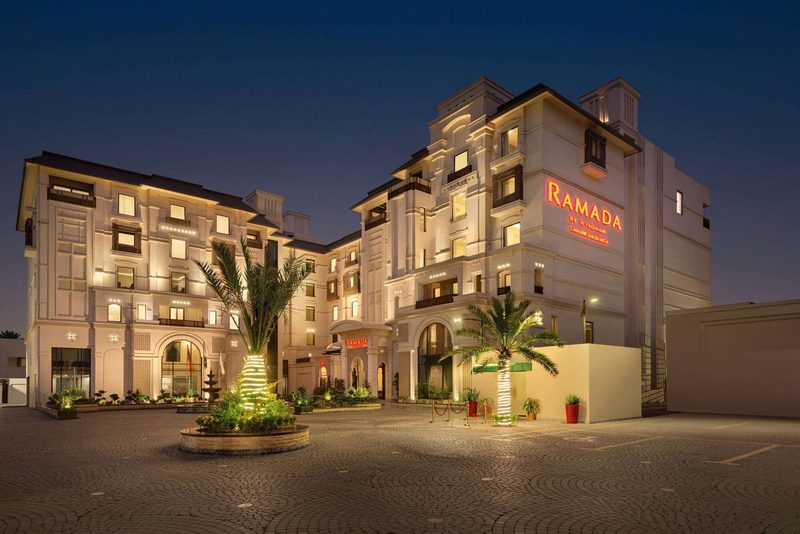
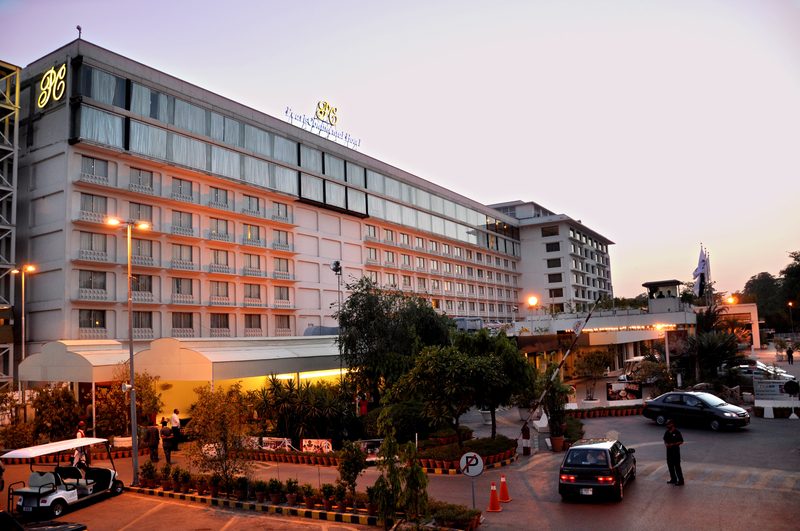
Where to Stay in Lahore in September
Hand-picked hotels across price tiers for September travellers.
Packing Checklist
Bookmark this page — your progress is saved between visits
Need the full list with shopping links?
Climate-specific gear, brand recommendations, and what to leave at home.
View Lahore Packing List →Essential Tips
Insider knowledge and common pitfalls to avoid
Insider Knowledge
Lahore is a night city. September amplifies this. The city effectively shuts down between 11am and 5pm. It wakes up after sunset like a different place entirely. Plan your monument sightseeing for dawn to 10am. Retreat to air conditioning during the dead hours. The Lahore Museum near the old GPO is air-conditioned and worth half a day on its own. See the Gandhara-era Fasting Buddha that Kipling's father once curated. Save your food exploration for after 8pm. Gawalmandi and Lakshmi Chowk between 10pm and midnight are Lahore at its most alive. Families eat at tables spilling onto sidewalks. Smoke from charcoal fires hazes the streetlights. Children run between stalls while their parents argue over which kebab shop has the better seekh.
The Orange Line Metro runs air-conditioned trains from Ali Town to Dera Gujran. It is a lifesaver in September heat. It costs a fraction of a rickshaw fare. It connects several useful points along its route. It removes the negotiation stress that comes with every auto-rickshaw trip. For rickshaws, agree on the fare before you sit down. Never after. The first number quoted will be roughly triple what a local would pay. The driver expects you to counter.
September catches the tail of bhutta season. The ritual is worth seeking out at least once. Corn vendors along the canal banks near Jallo Park and on Mall Road set up after 5pm with low charcoal braziers. The cobs are turned slowly until the kernels char and blister. They are rubbed with a cut lime dipped in rock salt and red chilli powder. The smoky, sour, spicy combination is Lahore's most seasonal street food. It is the kind of thing you remember long after you have forgotten which Mughal emperor built which gate. Eat it standing beside the brazier. That is how everyone else does it. The warmth from the coals cuts the evening humidity.
If you visit Data Darbar on a Thursday evening, sit toward the edges of the qawwali gathering. Do not push to the front. The music builds over hours, not minutes. The crowd's energy intensifies as the night goes on. Leaving early is well fine. Nobody will notice. The food stalls immediately outside Data Darbar serve some of the best late-night haleem and channay in the city. These are thick, slow-simmered bowls that taste like they have been on the fire since morning. They have.
Avoid These Mistakes
Avoid scheduling outdoor sightseeing between noon and 4pm. The heat index at 34°C (93°F) with 70% humidity pushes the perceived temperature well past 40°C (104°F). There is minimal shade on the walk between Lahore Fort's outer gates and the interior monuments. First-time visitors consistently underestimate how fast heat exhaustion sets in when walking across sunbaked stone courtyards. They end up retreating to their hotel by early afternoon with half their itinerary undone. Shift everything to morning. A 7am start at the fort gives you three good hours before the heat becomes hostile.
Do not dismiss dengue precautions because the risk feels abstract. Dengue is not theoretical in September Lahore. The city has had serious outbreaks. Post-monsoon standing water throughout the Walled City and older residential areas breeds Aedes mosquitoes aggressively. Wear long sleeves at dusk. Apply strong DEET repellent after sweating. Sleep in air-conditioned quarters with windows closed. This is not tourist paranoia. This is what experienced locals do every September.
Do not go all-in on Lahore's street food the first night. The food deserves every bit of its reputation. Your stomach needs calibration time. Start with freshly cooked, high-heat items from stalls with rapid turnover. Try seekh kebabs straight off the grill. Try fresh paratha from a tandoor. Skip raw garnishes, unpeeled fruit, and ice for the first few days. Build up to more adventurous items like organ meats and overnight-simmered nihari by day three or four. The travelers who end up bedridden are almost always the ones who tried everything available on night one.
Short on time? See day trips around Lahore on GetYourGuide.
Ready to plan your trip to Lahore?
Now that you've got the research covered, here's where to go next.
Book Experiences in Lahore
Top-rated things to do in Lahore this September


Explore More Activities in Lahore
Didn't see anything interesting yet?
Browse Viator's full catalog of tours, day trips, food experiences, and private guides in Lahore.
See All Lahore Tours on Viator